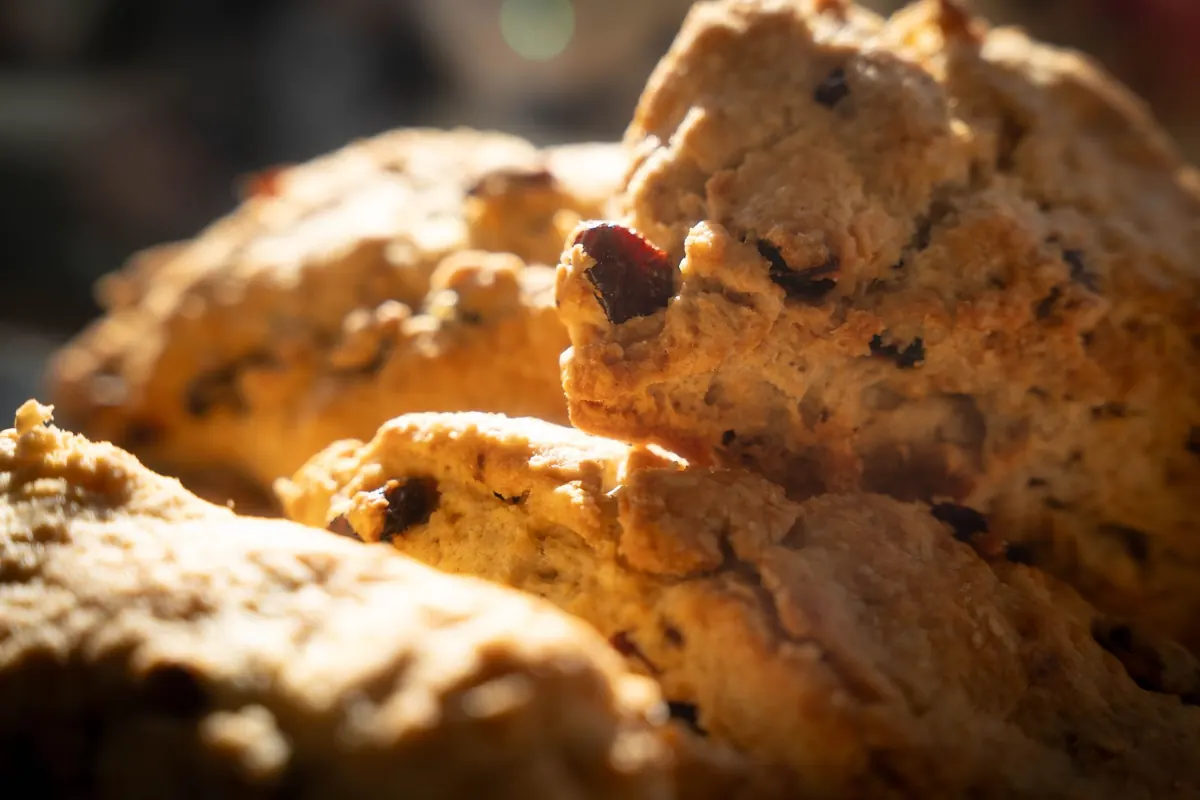
Chocolate chips, toasted pecans, tart dried cherries — the add-ins are usually what makes someone reach for a second scone. They are also the quickest way to ruin a batch. Fold them in at the wrong moment, or with too heavy a hand, and you end up with scones that are dense, crumbly, and streaked with butter that smeared instead of staying in cold little pockets.
The good news is that this is not a technique that takes years to learn. Add-ins are the last thing to enter the dough, their size matters as much as their flavor, and a handful of deliberate folds will always beat enthusiastic mixing.
Why the Add-Ins Go In Last
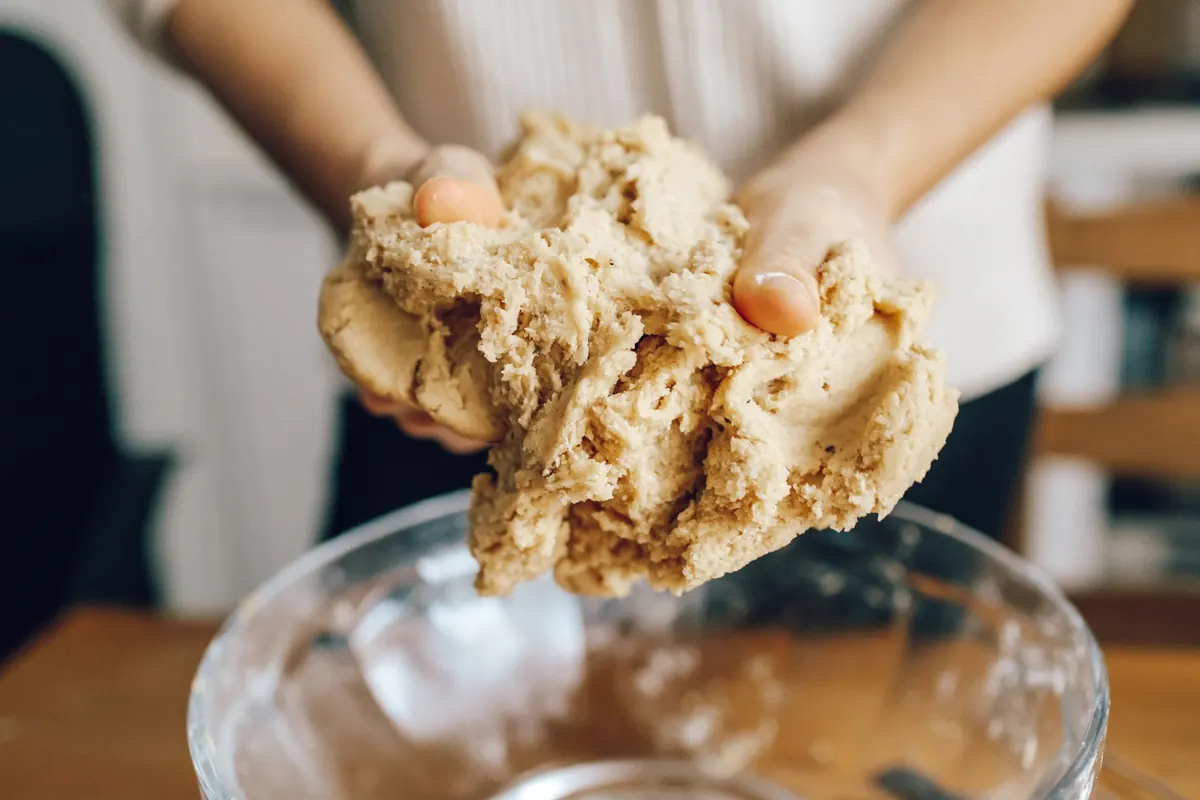
Scone dough is built on cold butter. Those visible flecks of butter are what create lift in the oven, and every motion after the liquid goes in costs you some of that flake. So the order matters: whisk the dry ingredients, cut in the butter, add the liquid, then bring in the chocolate, nuts, or fruit. Stir the dough just until it holds together, then start folding.
There is one exception worth knowing. If your add-ins are dry and loose — chocolate chips, chopped nuts, raisins — you can toss them with the dry ingredients before the butter goes in. The flour coats each piece, which keeps them from clumping, and it saves you a few turns of the dough later. Anything sticky or wet, like chopped dates or fresh berries, is better handled at the end.
How Much Is Enough
More is not better. Past a certain point, the dough simply cannot hold the additions, and you get scones that split apart as they bake. For a batch made with about 2 cups of flour, these amounts work well:
- Chocolate: 3/4 to 1 cup chips or chopped chunks
- Nuts: 1/2 to 3/4 cup, toasted and chopped
- Dried fruit: 1/2 to 3/4 cup, chopped to roughly raisin size
- Fresh or frozen berries: about 1 cup, frozen preferred
- Total combined: stay at or under 1 1/4 cups
Heavy add-ins also change the balance of the recipe. A cup of chocolate chips brings sugar and fat with it, so a dough that was already sweet can turn candy-like. If you are adding a lot of sweet ingredients, pull back a tablespoon of sugar and trust the flavor of the scone itself.
Chocolate: Chips, Chunks, and Nibs
Chips hold their shape and give you distinct bites. Chopped bar chocolate melts into pools, which is messier and, honestly, better in a scone with a savory edge. Either way, keep the pieces small — a quarter-inch to a half-inch. A chunk the size of a marble will tear the dough when you cut wedges, and it will still be molten when the scone is cool enough to eat.
Mini chips distribute more evenly than full-size ones, which matters if you want chocolate in every bite rather than in one lucky corner. Keep the chocolate cold, straight from the fridge or freezer, so it does not smear into the dough as you fold. Cocoa nibs are a different ingredient entirely: crunchy, bitter, and barely sweet. Use about a third of a cup and pair them with something soft, like dried cherry or orange zest.
Nuts: Toast Them, Then Chop Them Small
Raw nuts folded into scones taste flat and slightly pasty. Ten minutes on a sheet pan at 350°F, then cooled completely, changes everything — the oils come forward and the texture gets crisp. Toast more than you need; they keep for weeks in a jar.
Chop to roughly pea size. Halves and large pieces act like wedges inside the dough, prying it apart as it rises and making clean cuts impossible. If you are using salted nuts, cut the salt in the recipe by a pinch. Pistachios, pecans, walnuts, and hazelnuts all work well; sliced almonds are better scattered on top than folded through.
Dried Fruit: Plump, Chop, and Dust
Most dried fruit straight from the bag is too dry and too big. Two moves fix that. First, chop it down to raisin size or smaller — dried apricots and figs are often the worst offenders. Second, plump it: cover the fruit with hot water, tea, or juice for ten to fifteen minutes, then drain it thoroughly and pat it dry. Soft fruit stays tender in the oven instead of turning into hard little pebbles. Sticky candidates like dates and candied ginger are easier to chop if you freeze them for fifteen minutes first.
Wet fruit will glue your dough together, so do not skip the drying step. Toss the drained fruit with a tablespoon of flour taken from the recipe, and the pieces will stay separate instead of clumping into one sweet lump.
Fresh and Frozen Berries
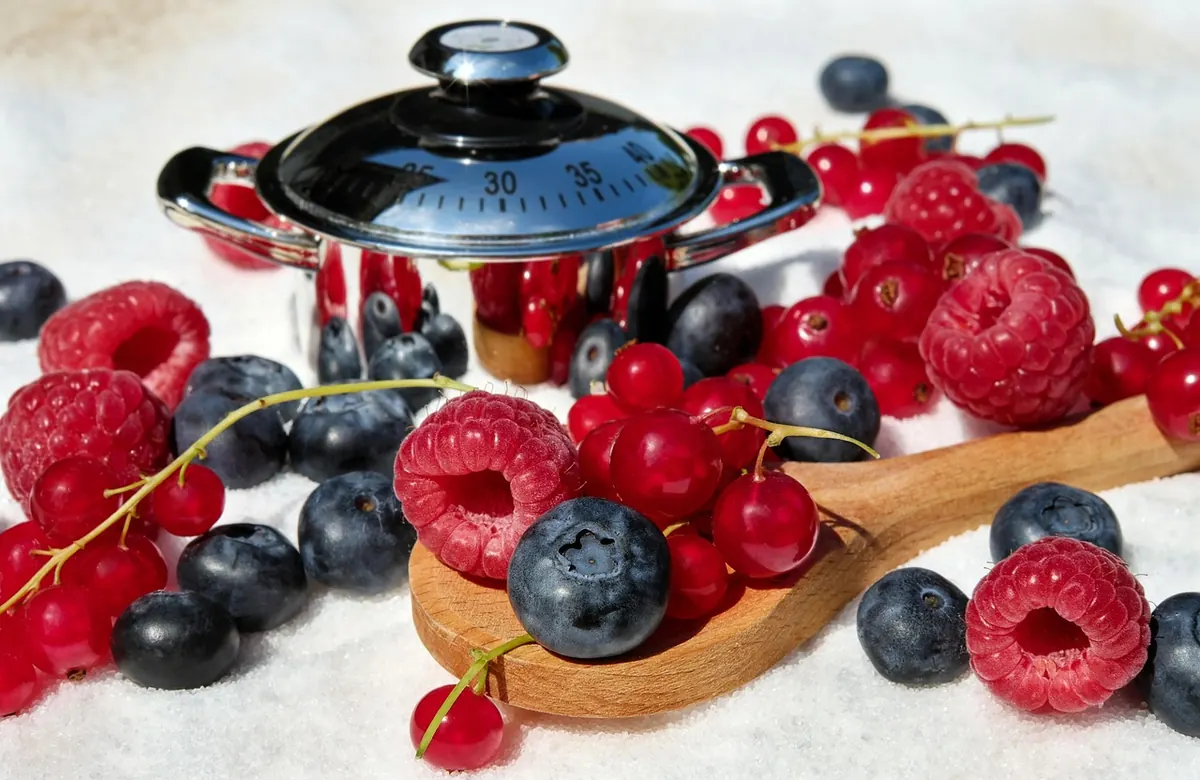
Fresh berries bleed and collapse, turning the dough purple and the crumb soggy. Frozen berries are the better choice: keep them frozen, toss them in flour, and fold them in during the last two turns. Smaller wild blueberries hold up especially well. Do not thaw them, and do not worry if the dough looks streaked — that is what a blueberry scone should look like.
The Fold: Four Turns and Stop
You do not need to knead add-ins into scone dough. You need to fold them.
- Pat the rough dough into a rectangle about an inch thick.
- Scatter half the add-ins over the surface.
- Fold the rectangle in thirds, like a letter, and press it flat again. Use a bench scraper to lift the dough if it sticks.
- Scatter the rest, fold once more, and stop. Streaks and bare patches are fine.
If pieces fall out, poke them back in rather than working the dough further. Then chill the shaped dough for fifteen minutes before baking — cold dough holds its shape and rises higher.
Building a Combination That Tastes Intentional
The best scones usually have one fruit, one nut or chocolate, and one aromatic — not four competing flavors. Dark chocolate with orange zest. Toasted pecan with dried cranberry. Apricot, pistachio, and a pinch of cardamom. White chocolate with frozen raspberries. Pick one lane and stay in it.
Also remember that add-ins carry flavor on their own, which means the dough beneath them can be simpler than you think. A plain base with good butter, a little sugar, and a decent pinch of salt will let the chocolate or fruit do the talking. Bake one scone from the first batch before you commit the rest — it takes ten minutes and tells you whether the ratio is right.
Photo: James Collington / Pexels